
Rapid Prototyping
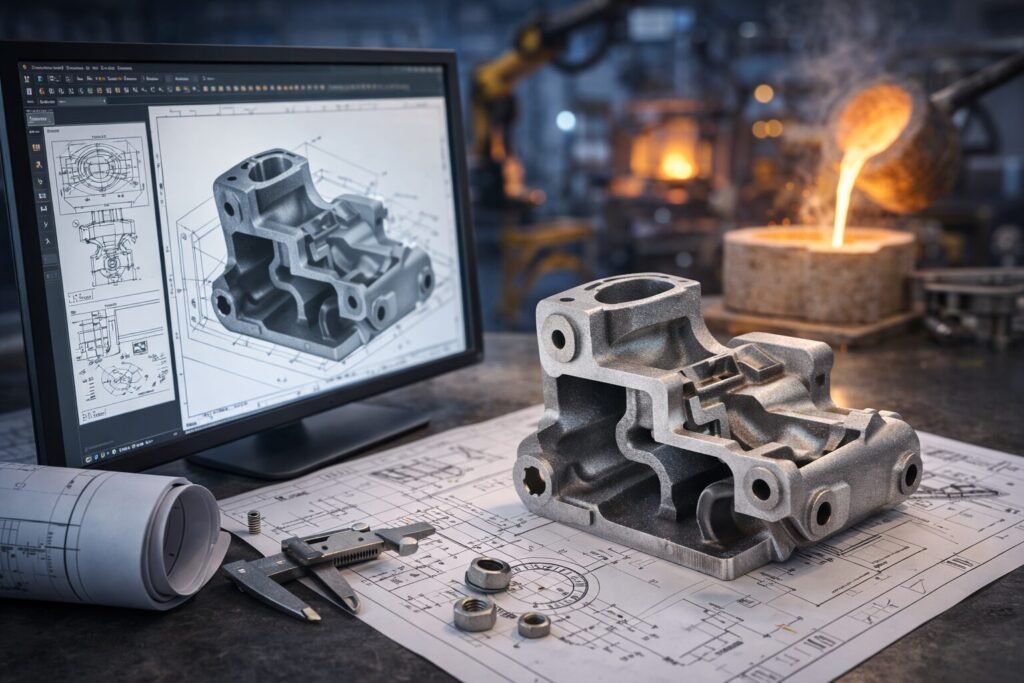
3D printing is a cornerstone of modern rapid prototyping, enabling the direct translation of digital CAD models into highly accurate physical parts. By building objects layer-by-layer using specialized materials—ranging from durable engineering-grade thermoplastics to high-detail resins—this additive manufacturing process entirely eliminates the need for expensive tooling or complex initial machining setups.
For engineers and product designers, 3D printing accelerates the development cycle dramatically. It allows teams to physically validate ergonomics, test mechanical fits, and refine complex geometries in a matter of hours rather than weeks. This hands-on approach seamlessly bridges the gap between digital concepts and manufacturing-ready designs, ensuring that the final product is thoroughly tested before committing to full-scale production runs.
Key Benefits of 3D Printed Prototyping:
- Unmatched Speed: Transform digital designs into holdable, testable physical models in days or even hours, bypassing traditional manufacturing lead times.
- Cost-Effective Iteration: Identify and correct engineering flaws early in the design phase, avoiding the steep costs associated with modifying injection molds or retooling CNC machines later on.
- Complex Geometry Realization: Easily produce intricate internal structures, undercuts, and organic shapes that are either impossible or financially prohibitive to create using traditional subtractive methods.
- Material Efficiency: Because it is an additive process, 3D printing generally only uses the material necessary to build the part (and its support structures), significantly reducing scrap waste compared to carving parts from solid blocks.